


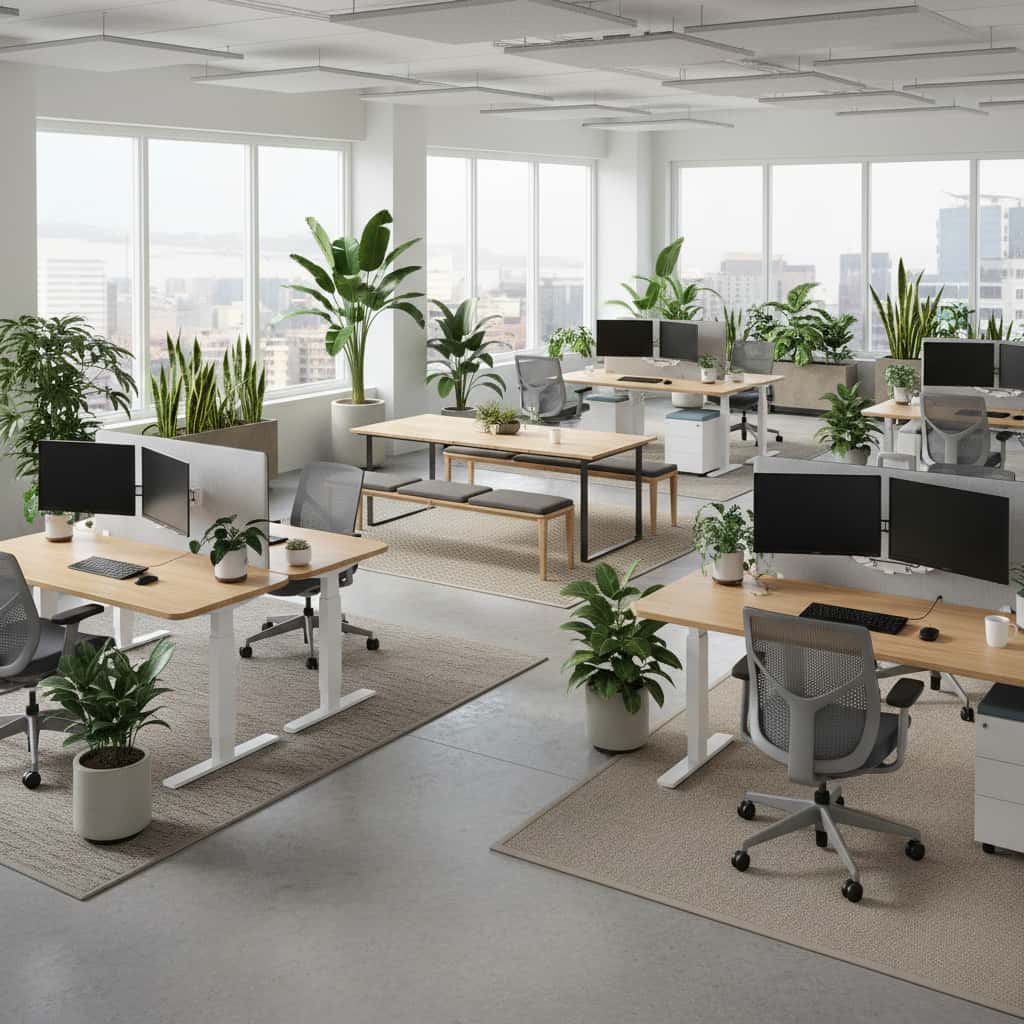
In today’s fast-paced work environment, the importance of selecting the right office desk cannot be overstated. A well-chosen desk not only enhances the aesthetic appeal of your workspace but also plays a crucial role in promoting ergonomic health and boosting productivity. With a myriad of options available, from traditional desks to modern sit-stand variants, making the right choice can be daunting. This article delves into the essential ergonomic principles to consider when selecting an office desk, compares the benefits of sit-stand desks versus traditional options, and explores the significance of materials and durability. Additionally, we provide practical tips on organizing your workspace for maximum efficiency.
Understanding Ergonomic Principles for Office Desks
Ergonomics is the science of designing a workspace that fits the user’s needs, minimizing discomfort and maximizing efficiency. When it comes to office desks, several ergonomic principles should be considered to ensure a comfortable and productive work environment.
Height: The height of your desk is crucial for maintaining a healthy posture. Ideally, your desk should allow your elbows to be at a 90-degree angle when typing, with your feet flat on the floor. Adjustable desks can be beneficial as they allow you to customize the height to your specific needs.
Depth: The depth of the desk should accommodate your computer monitor at a comfortable viewing distance, typically about an arm’s length away. This helps reduce eye strain and encourages a neutral neck position.
Cable Management: A clutter-free workspace is essential for productivity. Effective cable management solutions, such as cable trays or grommets, can help keep cords organized and out of sight, reducing distractions and potential hazards.
Comparing Sit-Stand Desks vs Traditional Options
The debate between sit-stand desks and traditional desks is ongoing, with each offering distinct advantages. Sit-stand desks, also known as height-adjustable desks, allow users to alternate between sitting and standing throughout the day. This flexibility can help reduce the risks associated with prolonged sitting, such as back pain and cardiovascular issues.
On the other hand, traditional desks are often more affordable and come in a variety of styles and materials. They are a staple in many offices due to their simplicity and ease of use. However, they may not offer the same health benefits as sit-stand desks.
When choosing between these options, consider your work habits and health needs. If you spend long hours at your desk, a sit-stand option might be worth the investment for its potential health benefits.
Materials and Durability
The materials used in the construction of an office desk can significantly impact its durability and aesthetic appeal. Common materials include wood, metal, and laminate. Wooden desks offer a classic look and are often very durable, but they can be heavy and expensive. Metal desks are sturdy and modern, while laminate desks are affordable and come in a variety of finishes.
When selecting a desk, consider the longevity of the materials and how they will fit into your overall office design. A durable desk is a worthwhile investment that can withstand daily wear and tear, ensuring it remains functional and attractive for years to come.
Tips on Organizing Your Workspace for Efficiency
An organized workspace is key to maintaining productivity and focus. Here are some tips to help you create an efficient work environment:
- Declutter Regularly: Remove unnecessary items from your desk to keep your workspace tidy and free from distractions.
- Use Storage Solutions: Invest in storage solutions such as drawers, shelves, and organizers to keep essential items within reach but out of sight.
- Personalize Your Space: Add personal touches, such as photos or plants, to make your workspace more inviting and comfortable.
- Optimize Lighting: Ensure your workspace is well-lit to reduce eye strain and improve focus. Natural light is ideal, but task lighting can also be effective.
For more options on office tables, you can explore various designs that suit your ergonomic needs and aesthetic preferences.
Additionally, consider the broader range of office furniture available to complement your desk and create a cohesive workspace.